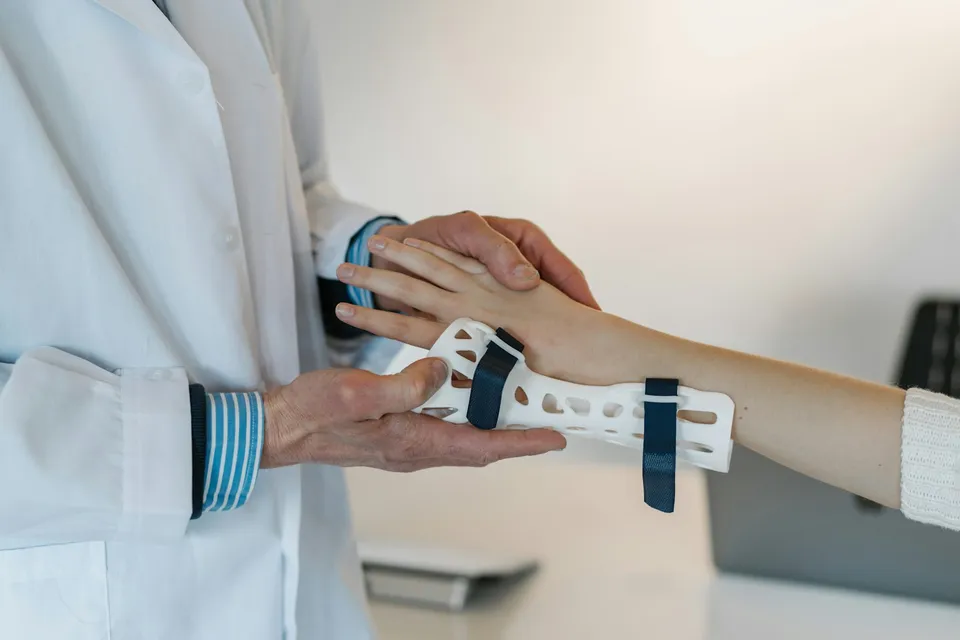
Paraffin bath: safety and precautions
Is a paraffin bath dangerous? Contraindications, precautions and best practices for a safe treatment.
The paraffin bath has been used for decades in physiotherapy, beauty salons and at home. For the vast majority of people, it is perfectly safe. But like any thermal treatment, there are situations where caution is needed.
This article covers the real and perceived dangers, medical contraindications and precautions to follow to enjoy the paraffin bath safely. If you are new to this treatment, start with our complete paraffin bath guide.
Is a paraffin bath dangerous?
A safe treatment when used correctly
Cosmetic paraffin melts between 45 and 54 C, a gentle temperature that does not cause burns on healthy skin with normal sensitivity. For comparison, hot tap water can reach 60 C. The wax solidifies on contact with the skin within seconds, forming an insulating layer that distributes heat gradually and evenly.
This property is what makes the treatment safe: unlike hot water which can scald, paraffin releases its heat slowly as it sets. A thermostat-controlled device like the TheraDawn maintains the exact temperature and prevents overheating.
Cosmetic paraffin vs industrial paraffin
A common confusion fuels concerns. Cosmetic paraffin (called "pharmaceutical grade" or "food grade") is highly purified. It does not contain the impurities found in industrial paraffins used in other sectors. The International Agency for Research on Cancer (IARC) classifies certain unpurified industrial paraffins as potentially carcinogenic, but this classification does not apply to the purified cosmetic paraffin used in paraffin baths.
To be sure of the quality, check that your paraffin is labelled "cosmetic use", "pharmaceutical grade" or "food grade".
The real contraindications of the paraffin bath
Certain medical situations require either avoiding the treatment entirely or seeking medical advice before starting. Here they are, classified by risk level.
Absolute contraindications (do not use)
- Open wound, cut or ulcer on the area to treat: hot wax must never come into contact with an unhealed skin lesion
- Recent burn or severe sunburn on the area
- Active skin infection (weeping fungal infection, herpes, impetigo): risk of spread and wax contamination
- Acute weeping skin condition (weeping eczema, pustular psoriasis)
- Skin tumour on the area to treat
- Acute inflammatory flare (red, hot, very swollen joint): heat worsens inflammation in the acute phase. Use cold for 48 to 72 hours
Relative contraindications (medical advice needed)
- Diabetes with peripheral neuropathy: loss of sensation prevents feeling excessive heat. Risk of undetected burns, especially on feet. Seek medical advice and use a thermometer to check the temperature
- Severe circulatory disorders: deep vein thrombosis, advanced arteritis, symptomatic venous insufficiency. The vasodilation caused by heat can worsen these conditions
- Significant varicose veins in the lower limbs: avoid paraffin foot baths. Hands remain possible
- Severe Raynaud's disease: paradoxically, heat can trigger a rebound effect (vasospasm on cooling). The paraffin bath can help in mild forms, but consult your rheumatologist for severe forms
- Pregnancy with complications: hand treatment is generally safe, but if you have significant foot swelling or varicose veins, ask your midwife
- Loss of heat sensitivity, whatever the cause (neuropathy, nerve injury, stroke)
Real risks and how to avoid them
Burn risk
This is the main risk, but it is very rare with a thermostat-controlled device. To avoid it:
- Always use a device with a built-in thermostat that regulates the temperature automatically
- Never melt paraffin in a microwave or in a double boiler without temperature control: risk of localised overheating
- Test the temperature before dipping your whole hand: dip one finger for 1 second. If it feels comfortable, you are fine. If it stings, wait for the wax to cool
- In case of neuropathy (diabetes, etc.): use a thermometer and never exceed 52 C
Allergic risk
Allergy to purified paraffin is extremely rare. However, some scented or coloured paraffins contain additives that may cause reactions. To minimise the risk:
- Choose white, unscented paraffin (the purest)
- If you have sensitive or allergy-prone skin, do a patch test on a small area of the wrist before your first full session
- If redness, itching or swelling occurs after the test, do not use that paraffin
Infection risk
Melted paraffin is kept between 45 and 54 C, a temperature that greatly limits bacterial growth. For optimal hygiene:
- Wash your hands or feet thoroughly before each session
- Use the paraffin strictly for personal use (do not share your tank with family members)
- Replace the wax every 15 to 20 uses or as soon as it changes appearance
- Never dip an infected area (fungal infection, wart, wound) into the tank
Best practices for a successful treatment
Before the session
- Check that the area is clean, dry and free of lesions
- Remove jewellery, rings and watch (risk of localised burn from heat retention under metal)
- Check the temperature: the thermostat should read between 48 and 52 C
During the session
- Do not move your fingers once the wax layer has formed: this would break the coating and reduce effectiveness
- Do not re-dip after wrapping in the insulating glove
- 15 to 20 minutes maximum per session: beyond that, there is no additional benefit
After the session
- Remove the wax in one piece and put it back in the tank for reuse
- Apply a moisturiser on the still-warm skin to maximise penetration
- If abnormal redness or a burning sensation persists after removing the wax, apply cool water and see a doctor if needed
Special cases: pregnancy, children, elderly
Pregnancy
A paraffin bath for hands is generally considered safe during pregnancy. Many pregnant women use it to relieve joint pain and water retention in the fingers. For feet, be cautious if you have varicose veins or significant pregnancy-related swelling. If in doubt, ask your midwife.
Children
A paraffin bath is not recommended before age 6 (the skin is thinner and more sensitive to heat). Between 6 and 12, it can be used under adult supervision, with a slightly lower temperature (45 C maximum). Paraffin baths are sometimes used in paediatric occupational therapy for children with sensory processing issues.
Elderly
This is the population that benefits most from the paraffin bath (osteoarthritis, dry skin, stiffness). However, be aware that heat sensitivity can decrease with age: check the temperature with a thermometer if the person has difficulty judging heat by touch.
What NOT to do
- Never melt paraffin in a microwave: unpredictable localised overheating
- Never melt paraffin in a saucepan directly on the stove: risk of wax ignition
- Do not use industrial paraffin (candles, non-cosmetic depilatory wax): impurities and melting point too high
- Do not dip a wounded, infected or acutely inflamed area
- Do not exceed 54 C, even if the wax seems bearable
To discover the benefits of the paraffin bath with complete peace of mind, see our articles on the paraffin bath for hands, the paraffin bath for feet, or the 8 proven benefits.
Frequently asked questions
Is a paraffin bath dangerous?
No, a paraffin bath is a safe and well-tolerated treatment when used correctly. Cosmetic paraffin melts between 45 and 54 C, a gentle temperature that does not burn. Risks only arise in specific situations (open wound, diabetes with neuropathy, severe circulatory disorders) detailed in this article.
Can you use a paraffin bath if you have diabetes?
Only with your doctor's approval. Advanced diabetes can cause peripheral neuropathy (loss of sensation in feet and hands) which prevents feeling excessive heat. The risk of undetected burns is then real. If your doctor agrees, always check the temperature with a thermometer, not with your skin.
Is a paraffin bath bad for varicose veins?
Heat causes vasodilation which can worsen venous insufficiency. For small spider veins without symptoms, the risk is minimal (especially on hands). For significant varicose veins with heaviness, swelling or leg pain, avoid paraffin foot baths and seek medical advice.
Is cosmetic paraffin carcinogenic?
No. Cosmetic paraffin (pharmaceutical or food grade, highly purified) is not classified as carcinogenic. The IARC classifies certain unpurified industrial paraffins as potentially carcinogenic, but these are not the ones used in cosmetic paraffin baths. Check that your paraffin is labelled 'cosmetic use' or 'food grade'.
Can you do a paraffin bath during pregnancy?
A paraffin bath for hands is generally considered safe during pregnancy (many pregnant women use it for joint pain related to water retention). For feet, caution is advised in cases of significant swelling or pregnancy-related varicose veins. Ask your midwife or doctor.
Can paraffin be reused after a bath?
Yes, provided it is for strictly personal use. The paraffin is recycled in the tank and melts again for the next session. If multiple people use the device, each person should have their own wax supply. Replace the paraffin entirely every 15 to 20 uses, or sooner if it changes colour or appearance.
Key takeaways
The paraffin bath is a safe treatment for the vast majority of people. The real risks are limited and concern well-identified situations: open wounds, diabetic neuropathy, severe circulatory disorders, acute inflammatory flare-ups.
By using a thermostat-controlled device, checking the temperature before each session and respecting the contraindications listed in this article, you can enjoy all the benefits of the paraffin bath with complete peace of mind. If in doubt about your personal situation, seek medical advice.
Disclaimer: this article is provided for informational purposes only and does not replace medical advice. If you experience persistent pain, consult your doctor or physiotherapist.