Paraffin Bath: Complete Guide 2026
Everything you need to know about paraffin baths: how they work, benefits, usage, precautions. A complete guide to this physiotherapy treatment.
The paraffin bath is a heat therapy treatment that has been used for decades in physiotherapy clinics, beauty salons, and rehabilitation centers. It involves dipping your hands or feet into warm paraffin wax (between 45 and 54 degrees C / 113-129 degrees F) to benefit from its effects on circulation, joint flexibility, and skin hydration.
Long reserved for professionals, this treatment is now accessible at home thanks to compact and safe devices. Here is everything you need to know.
What exactly is paraffin?
Paraffin is a wax derived from petroleum, purified and refined for cosmetic and medical use. It is odorless, non-toxic, and hypoallergenic. Its key property: it melts at a low temperature and retains heat for a long time, making it an ideal heat therapy medium.
Contrary to what you might think, the paraffin used in baths has nothing in common with industrial candle wax. It is medical-grade, often enriched with vitamin E or essential oils.
How does a paraffin bath work?
The principle of a paraffin bath is simple. An electric device melts the solid paraffin and maintains it at a constant temperature. You then dip your hands (or feet) directly into the bath, 4 to 5 times in a row, to form a paraffin glove around the skin.
Next, you put on plastic gloves followed by fabric mittens to retain the heat. The rest period lasts about 15 to 20 minutes. During this time, the heat penetrates deeply, dilates blood vessels, and softens tissues.
Once the time is up, the paraffin peels off in one piece, like a mask. The skin underneath is soft, moisturized, and the joints feel relaxed.
Proven benefits of a paraffin bath
A paraffin bath works on four levels: joints, skin, circulation, and muscles. We cover all of them in detail in our dedicated article on paraffin bath benefits, but here are the essentials.
Joint pain relief
The deep heat from paraffin relaxes muscles, loosens tendons, and relieves stiff joints. This is why physiotherapists use it to prepare for rehabilitation sessions, particularly for hand osteoarthritis, carpal tunnel syndrome, and tendinitis, a topic we explore in detail in our article on paraffin baths and joint pain.
Intense skin hydration
The paraffin layer acts as an occlusive mask: it traps the skin's natural moisture and forces pores to absorb hydrating agents. The result: incredibly soft hands from the very first session, even on the driest skin.
Improved blood circulation
The heat dilates blood vessels (vasodilation) and boosts microcirculation. Cold, numb fingers regain sensitivity. This effect is particularly valued by people who work long hours on a computer, as we explain in detail in our guide to paraffin baths for hands.
Muscle relaxation
Tense muscles in the hands and wrists relax under the enveloping warmth. After a day of working with a keyboard and mouse, it is a true recovery moment.
Who is a paraffin bath for?
A paraffin bath suits a wide range of people:
- Computer workers: stiff fingers, sore wrists, numb hands after 8 hours of mouse use
- People with osteoarthritis: relief for finger and wrist joints
- Athletes: recovery after hand-intensive activities (climbing, weightlifting, tennis)
- Very dry skin: cracks, chapping, hands damaged by cold or household products
- People in rehabilitation: as a complement to physiotherapy sessions
Precautions before using a paraffin bath
A paraffin bath is safe for most adults, but a few precautions apply:
- Open wounds: do not use on broken, cut, or burned skin
- Severe circulatory disorders: in cases of phlebitis or advanced Raynaud's disease, consult your doctor
- Diabetes: if you have reduced sensitivity in your extremities, consult before use
- Allergies: although rare, a paraffin allergy is possible. Test on a small area first
How to choose your paraffin bath device
To choose the right paraffin bath, here are the key criteria:
- Capacity: at least 2.5 liters to fully immerse both hands
- Adjustable thermostat: to set the temperature between 45 and 54 degrees C according to your comfort
- Control display: to monitor the temperature in real time
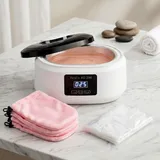
- Complete kit: mittens, disposable gloves, and paraffin included so you can start right away
- Warranty: minimum 2 years
The TheraDawn checks all these boxes: LCD screen, adjustable thermostat, complete kit with 100 disposable gloves, 2 mittens and 2 fabric booties, 2-year warranty.
Paraffin bath: recommended frequency of use
For regular paraffin bath maintenance, 1 to 2 sessions per week is enough. For more intense pain (carpal tunnel, active osteoarthritis), you can increase to 3 sessions per week during the first few weeks, then space them out.
Each session lasts about 20 minutes, including dipping and resting time. It is an easy ritual to fit in during the evening while watching TV.
Paraffin bath: frequently asked questions
Is a paraffin bath dangerous?
No. A paraffin bath keeps the wax between 45 and 54 degrees C (113-129 degrees F), a gentle and safe heat. Paraffin melts at a low temperature, which eliminates any risk of burns for healthy skin. Simply avoid use on open wounds or in cases of severe circulatory disorders.
How long does a paraffin bath session last?
A full session lasts about 20 minutes: a few minutes to dip your hand and form the wax glove, then 15 minutes of rest under the mittens to let the heat work.
Can you reuse the paraffin?
Yes. The paraffin can be remelted and reused many times. Disposable gloves ensure hygiene. Simply replace it when it loses its transparency, after several months of use.
Does a paraffin bath work for feet?
Absolutely. A paraffin bath works just as well for feet as for hands: it moisturizes cracked heels and relieves tension in the soles after a long day of standing.
Key takeaways
The paraffin bath is a proven heat therapy treatment that has been used by healthcare professionals for decades. It relieves joint pain, deeply moisturizes the skin, boosts circulation, and relaxes tense muscles. Accessible at home, it is a one-time investment for daily comfort.
Disclaimer: this article is provided for informational purposes only and does not replace medical advice. If you experience persistent pain, consult your doctor or physiotherapist.