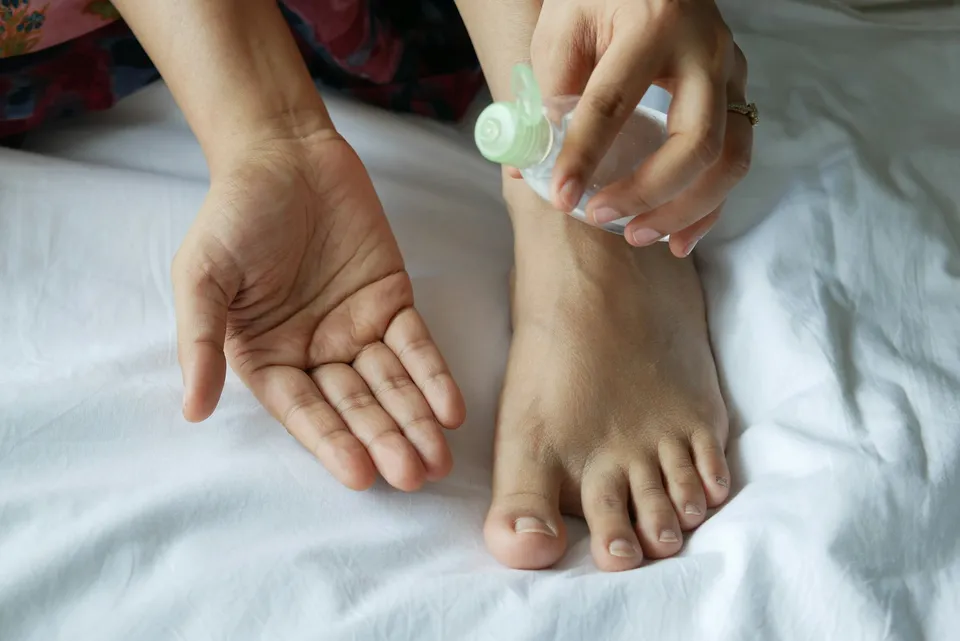
Paraffin Bath for Feet: Soft Heels
A paraffin bath for feet deeply moisturizes, softens dry heels and calluses. At-home protocol and precautions.
Rough heels, tight skin, calluses under the ball of the foot: feet are the area most prone to dryness on the entire body. They bear our weight all day, rub inside shoes, and have very few sebaceous glands to self-moisturize. The result is thickened, cracking skin.
The paraffin bath for feet is one of the most effective treatments for restoring soft skin. Used in spas and podiatry clinics alike, it combines heat and deep hydration. If you are new to this treatment, start with our complete paraffin bath guide to understand how it works.
Why feet become dry, rough and cracked
The most affected areas
Dryness on feet tends to concentrate on a few specific zones:
- Heels, which bear most of the body's weight and rub against the ground and open shoes
- The heel rim, where thickened skin eventually splits into cracks
- The ball of the foot and calluses, caused by repeated friction
- The area around the nails and pressure points
Causes of dryness
The skin on feet contains almost no sebaceous glands, so it does not produce the oily film that naturally protects the rest of the body. Add walking, closed shoes, hard water, indoor heating in winter and aging, and the skin dries out, thickens, then cracks. This is exactly the cycle that the paraffin bath breaks.
How a paraffin bath transforms foot skin
The mechanism: heat + occlusive effect
When you dip your feet into melted paraffin (around 50C/122F), the wax solidifies into a thick, warm layer that perfectly conforms to the heel, arch and each toe. This coating works in two ways:
- Gentle heat dilates capillaries, relaxes tired foot muscles and opens the skin's outer layer
- Occlusion: by sealing the skin surface, the paraffin prevents water from evaporating. The skin's natural moisture rises and concentrates in the stratum corneum (the outermost layer of the epidermis)
This occlusion principle is well documented in dermatology: covering the skin with an occlusive layer significantly increases its hydration level and maintains it for several hours. This explains the immediate "baby skin" effect after a session.
The Skin Barrier and Moisturization: Function, Disruption, and Mechanisms of Repair
Read the articleConcrete benefits for feet
- Softened heels: thickened skin is softened, calluses come off more easily during exfoliation
- Long-lasting hydration: skin stays supple for hours, even days with regular maintenance
- Immediate comfort: the heat soothes tired, heavy feet at the end of the day
- Better cream absorption: applied after the treatment, your nourishing cream works much more effectively
- Relaxation: a real at-home spa moment, no appointment needed
Beyond hydration, paraffin contributes to skin repair. It softens calluses and helps heal fissures, while also providing a true moment of relaxation.

Paraffin bath vs other foot treatments
Why choose paraffin over a simple cream or a regular foot soak?
- Vs cream alone: cream moisturizes the surface but without heat or occlusion, it penetrates less deeply. Paraffin prepares the skin and multiplies the effect of the cream applied afterward.
- Vs hot foot soak: hot water cools quickly and, by dissolving the hydrolipidic film, can actually dry the skin out. Paraffin keeps its heat for 15 to 20 minutes and seals in moisture instead of removing it.
- Vs foot file/buffer alone: filing dry skin is harsh. Softened by paraffin, dead skin comes off gently and the result lasts longer.
Protocol: how to do a paraffin bath for feet at home
Before the session
- Wash and thoroughly dry your feet (paraffin does not adhere to damp skin)
- Do not apply any cream or oil before the bath
- Check the temperature: between 48 and 52C (118-126F). A thermostat-controlled device like the TheraDawn regulates it automatically
- Get comfortable, with a towel on the floor
The steps
- Dip one foot for 2 to 3 seconds, remove it and let the wax set for a few seconds
- Repeat 4 to 6 times to form a thick, even layer (the paraffin "bootie")
- Slip on a plastic bag then the insulating bootie/mitt provided to retain heat
- Wait 15 to 20 minutes, the perfect time to relax
- Remove the set wax: it peels off in one piece and goes back in the tank for reuse
- Massage a nourishing cream onto the still-warm skin, then put on cotton socks
Recommended frequency
- Very dry feet / rough heels: 2 to 3 sessions per week for 3 to 4 weeks
- Maintenance: 1 session per week to keep feet soft
- Before summer or an event: a short 2-week course for show-ready feet
Precautions: who should avoid paraffin foot baths
The paraffin bath is a gentle and safe treatment, but on feet, certain situations call for caution, particularly because feet can have reduced sensitivity. Avoid or seek medical advice in case of:
- Diabetes: risk of neuropathy (loss of sensitivity) and slow healing. Medical advice is essential before any thermal treatment
- Circulatory disorders: significant varicose veins, arteritis, phlebitis
- Deep cracks, wounds or open ulcers on the area
- Active fungal infection of the foot or nails
- Loss of heat sensitivity, regardless of the cause
Outside of these cases, the paraffin bath for feet can be safely enjoyed at home. To discover all the uses of this treatment, see our articles on the benefits of paraffin baths and the paraffin bath for hands.
Frequently asked questions
Is a paraffin bath effective for dry, cracked heels?
Yes. The heat and occlusive effect of paraffin increase hydration in the stratum corneum and soften calluses. For dry heels (without deep fissures), one to two sessions per week visibly soften the skin. If you have deep, painful cracks, consult a podiatrist first.
How long should you leave your feet in the paraffin?
After forming 4 to 6 layers of wax through successive dips, wrap your feet and leave the wax on for 15 to 20 minutes. This is the ideal duration for the heat to penetrate and for the skin to fully benefit from the occlusive effect.
How often should you do a paraffin bath for feet?
For very dry feet: 2 to 3 sessions per week for 3 to 4 weeks, then 1 session per week for maintenance. For simple beauty comfort, 1 weekly session is enough.
Can diabetics do a paraffin foot bath?
Not without medical advice. Diabetes can cause neuropathy (loss of sensitivity) which prevents feeling excessive heat, creating a burn risk. Diabetic individuals should consult their doctor or podiatrist before any thermal foot treatment.
Should you apply cream before or after the paraffin bath?
After. The skin, softened and warmed, retains active ingredients much better. Apply a nourishing cream (urea, shea butter) right after removing the wax, ideally in the evening with cotton socks to prolong the effect.
What is the difference between a paraffin bath and a regular hot foot soak?
A hot water foot soak loses its heat within minutes and can actually dry out the skin. Paraffin maintains consistent heat for 15 to 20 minutes and forms an occlusive layer that locks moisture into the skin instead of letting it evaporate.
Key takeaways
The paraffin bath for feet is the most complete treatment for fighting dry heels, calluses and discomfort. By combining gentle heat and an occlusive effect, it deeply moisturizes the skin where a simple cream only works on the surface.
A few sessions are enough to restore soft, supple feet, and maintenance is minimal. At home, with a thermostat-controlled device, you enjoy a true spa-quality treatment whenever you want, as long as you respect the few contraindications, particularly in the case of diabetes or circulatory disorders.
Disclaimer: this article is provided for informational purposes only and does not replace medical advice. If you experience persistent pain, consult your doctor or physiotherapist.